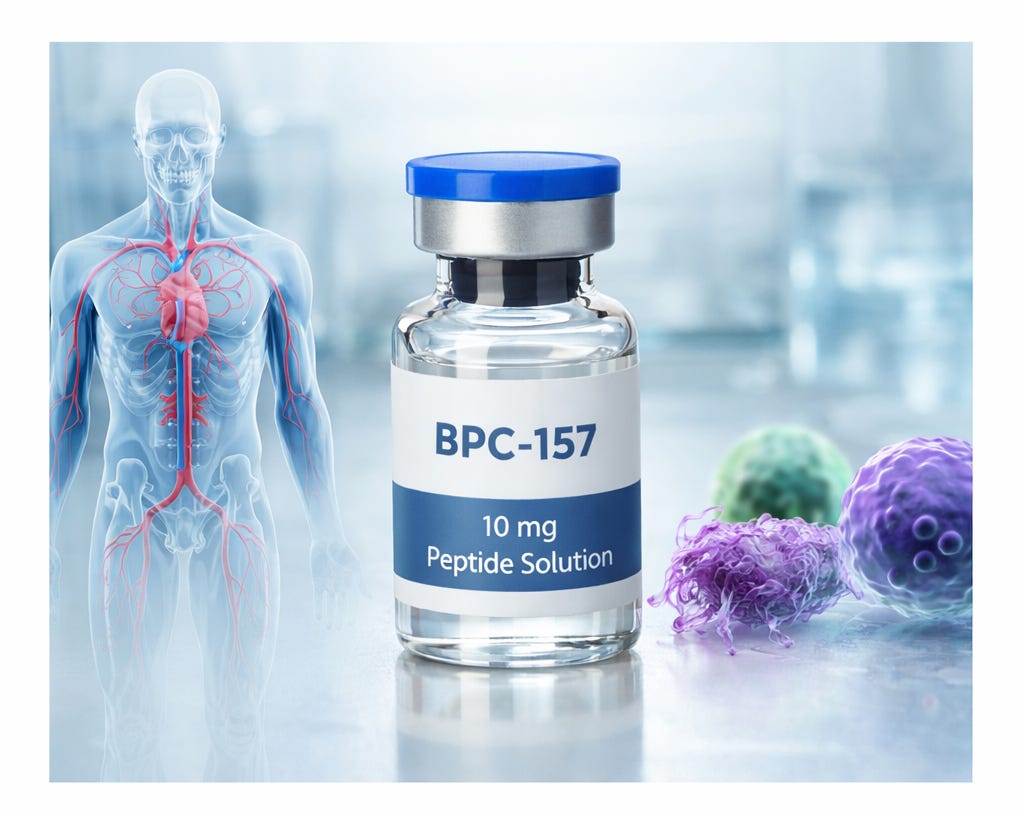
Understanding Peptide Purity: What 99%+ Really Implies
Recognizing Peptide Pureness: What 99%+ Truly Suggests All peptides marketed by Peak Laboratory are intended solely for in-vitro research laboratory research use and are not for human usage. Peptide testing documentation ought to be interpreted as batch-level analytical proof for study product, not as clinical-use consent. Pinnacle's Exactly how to Review a Peptide COA guide goes through this process step by step. The buddy page on why 99 percent purity matters describes why little impurity portions can still matter in sensitive in-vitro assays. We utilize GC-MS, ICP-MS, and various other techniques to discover pollutants, guaranteeing product safety and security and regulatory conformity. The appropriate peptide steps through the column in a predictable way, while unwanted materials-- such as remaining fragments, harmed peptides, or impurities-- move in a different way. As each compound departures the column, a detector determines it and Peptide Vials records the result as a height on a chart called a chromatogram. All items sold by Palmetto Peptides are intended for research and laboratory utilize only.
Where can I send my peptides to check for purity?
ACS Peptide Testing Labs is a professional peptide analysis lab that accepts samples from all 50 states. Whether you require to evaluate peptide purity, verify a distributor''s Certificate of Analysis, or run thorough contaminant screening, our laboratory supplies quick, accurate results with comprehensive coverage.
Lack Of Reliable Approaches For Structural Modifications And Sequence Confirmation
These methods aid recognize the peptide's make-up, verify the molecular weight, and spot any kind of structural changes or impurities, making certain the peptide meets quality and specification needs. MS validates the proper molecular weight and is very sensitive to mass distinctions representing amino acid substitutions, deletions, or modifications. For the confirmation of typical research study peptides from developed vendors, ESI-MS providing the right molecular weight is considered sufficient confirmation of identity. Peptide purity is verified primarily via reverse-phase HPLC, which divides the target compound from impurities and quantifies their relative height locations. A specified purity of ≥ 98% indicates a minimum of 98% of the UV-absorbing material eluting from the column represents the target peptide. Endotoxin LAL testing and Certificate of Evaluation review complete the verification photo for research-grade product.
Deamidation is one factor storage conditions matter, particularly after a peptide has been reconstituted.
Extra hydrophilic substances elute very early (reduced retention time); more hydrophobic compounds elute later (high retention time).
Your very first purchase from any type of supplier need to be considered a test instance.
Peptides like BPC-157 and TB-500 used for injury healing applications must get full verification.
This is why trusted vendors provide both HPLC and MS information on their Certifications of Analysis.
This relative information provides context past private examination outcomes. Internet peptide web content measures peptide versus every little thing else, consisting of water, salts, and counter-ions. A peptide can be 99% pure yet have just 70-80% web peptide content. Poor-quality peptides (those with undiscovered impurities, wrong series, or deteriorated elements) can lead to misleading data and irreproducible outcomes. In fact, proteins and peptides are among one of the most extensively used laboratory reagents, yet research studies have revealed that their quality is typically insufficient, leading to bad data reproducibility. Starting with proper lab recognition is for that reason a crucial part of a researcher's quality assurance operations. By insisting on peptides that include verification of purity and identity, researchers can greatly minimize the danger of experimental artifacts. This adds to the larger reproducibility dilemma in scientific research. On the other hand, utilizing peptides that have actually passed third-party laboratory validation aids make sure that the observed speculative impacts are genuinely due to the intended peptide and not because of pollutants or errors.
Sample Preparation
Before a peptide is used in a research study atmosphere, scientists commonly evaluate screening documents to better recognize product identity, purity specs, and total high quality standards. With high degrees of experience in carbohydrate chemistry and our extensive peptide analysis system, Creative Peptides can give premium peptide purity decision solutions. According to stringent analysis quality control and biosynthetic quality control requirements, each peptide is strictly kept an eye on throughout the analysis cycle. The chromatogram is the most important visual information component on an HPLC peptide test record. It is a chart with time on the horizontal axis and detector action, usually UV absorbance, on the vertical axis. Each peak represents a component that was divided and found. Also small impurities can change results, lower reproducibility, or present unwanted variables Scientific Supplier right into a study. Researchers rely on accurate, confirmed substances to guarantee their searchings for are both legitimate and consistent.
Peptide Quality Control Testing
MALDI-TOF (Matrix-Assisted Laser Desorption/Ionization Time-of-Flight) is much faster and easier. It creates primarily single-charge ions, making spectra much easier to interpret. MALDI-TOF is commonly preferred for regular identity verification as a result of its speed and resistance for sample contaminations.